Flint’s Vacation: The G.I. Joe Episode That Turns “Taking Time Off” Into a Psychological Horror Story
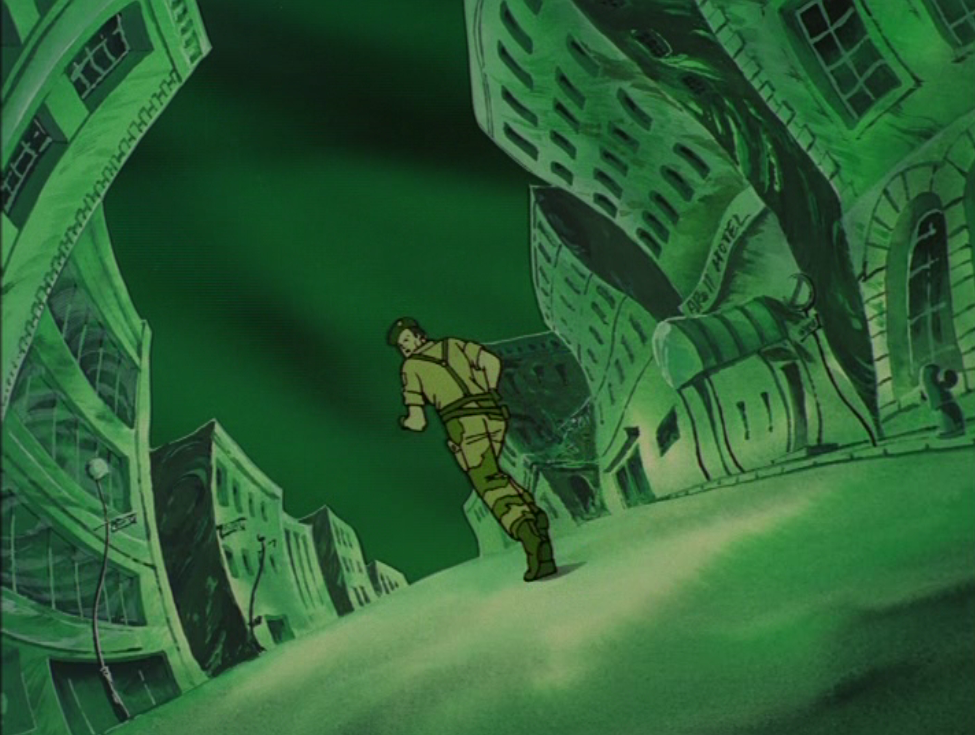
“Flint’s Vacation” (originally aired November 13, 1985) is one of those G.I. Joe episodes that sounds light on paper—Flint goes on leave to visit family—but plays downright unsettling when you rewatch it as an adult in 2026.
Because this isn’t really a “vacation” episode. It’s an episode about what happens when you finally try to unplug… and discover the entire environment you trusted has been designed to program you.
Pleasant Cove: The Cozy Trap That Feels Too Real Now
The setup is deceptively wholesome: Flint visits his cousins in Pleasant Cove, described as an “experimental community.” The twist is that it’s secretly owned by Cobra, and the whole town is being turned into television-brainwashed labor—with Flint at risk of becoming just another smiling resident on autopilot.
That premise hits harder in 2026 because “intentional communities” and “perfect lifestyle enclaves” aren’t just fictional. We’ve all seen versions of them—corporate-built towns, influencer-perfect wellness retreats, “private” communities run by money and image. The episode’s fear is simple: when a place controls the inputs (what you watch, what you hear, what everyone around you repeats), it can quietly control the outputs (what you believe, what you do, and what you accept as normal).
Pleasant Cove isn’t scary because it’s rough. It’s scary because it’s calm.
The Adult Theme: Vacation Vulnerability and the Myth of “Safe Mode”
Flint is a tactician, a leader, a guy trained to read situations. And yet—on vacation—his guard drops just enough for Cobra’s system to catch him. That’s a grown-up truth: burnout doesn’t always come from the mission. Sometimes it comes from thinking you’re finally “off,” then realizing you’re still being pulled, nudged, shaped.
As adults, we recognize the modern version of this episode immediately:
- “Just one more episode” turns into three hours.
- “Just checking the news” turns into emotional exhaustion.
- “Just scrolling a little” turns into adopting someone else’s worldview without noticing.
The cartoon literalizes it with TV-based brainwashing and subliminal transmissions. But the theme is the same: when your attention gets captured, your choices start getting pre-selected.
Cobra’s Underwater Base: Exploitation With a Smile
The most disturbing detail is the destination of this “perfect community” pipeline: Cobra has hypnotized residents into slave labor at a secret underwater base. hat’s not subtle. And that’s why it works.
“Flint’s Vacation” is basically saying: if you can normalize compliance—if you can make people feel comfortable, entertained, and socially reinforced—then you can extract labor and obedience without needing chains. That idea feels uncomfortably close to modern conversations about exploitation hiding behind convenience: invisible labor, outsourced suffering, systems that profit from people being too tired (or too distracted) to resist.
The Gut-Punch Moment: When a Good Man Becomes the Danger
The episode’s most adult, stressful beat is Flint himself becoming compromised. Once he’s brainwashed through television, he’s no longer just a victim—he becomes a potential trigger pull that could get civilians killed. And that’s where “Flint’s Vacation” quietly becomes about checks and balances. Leadership is powerful… which means manipulated leadership is catastrophic. The show makes you sit with that: the threat isn’t only Cobra outside the gates. Sometimes it’s Cobra inside your decision-making.
The “Breaker Fix” Feels Like a 2026 Message
The resolution is almost poetic: Flint snaps back when Breaker disables the subliminal transmissions.
In 1985, that’s a tech solution. In 2026, it reads like a life solution: you don’t beat manipulation by “being tougher.” You beat it by interrupting the signal—changing the inputs, cutting the feed, breaking the loop, and sometimes needing your people to step in when you can’t see it yourself.
That’s why this episode sticks with adult fans. It’s not just an adventure. It’s a warning: the most dangerous traps don’t look like traps. They look like rest.